Objects & Memory · June 14, 2026 · 4 min read
The Bottle That Stayed Beside the Sink
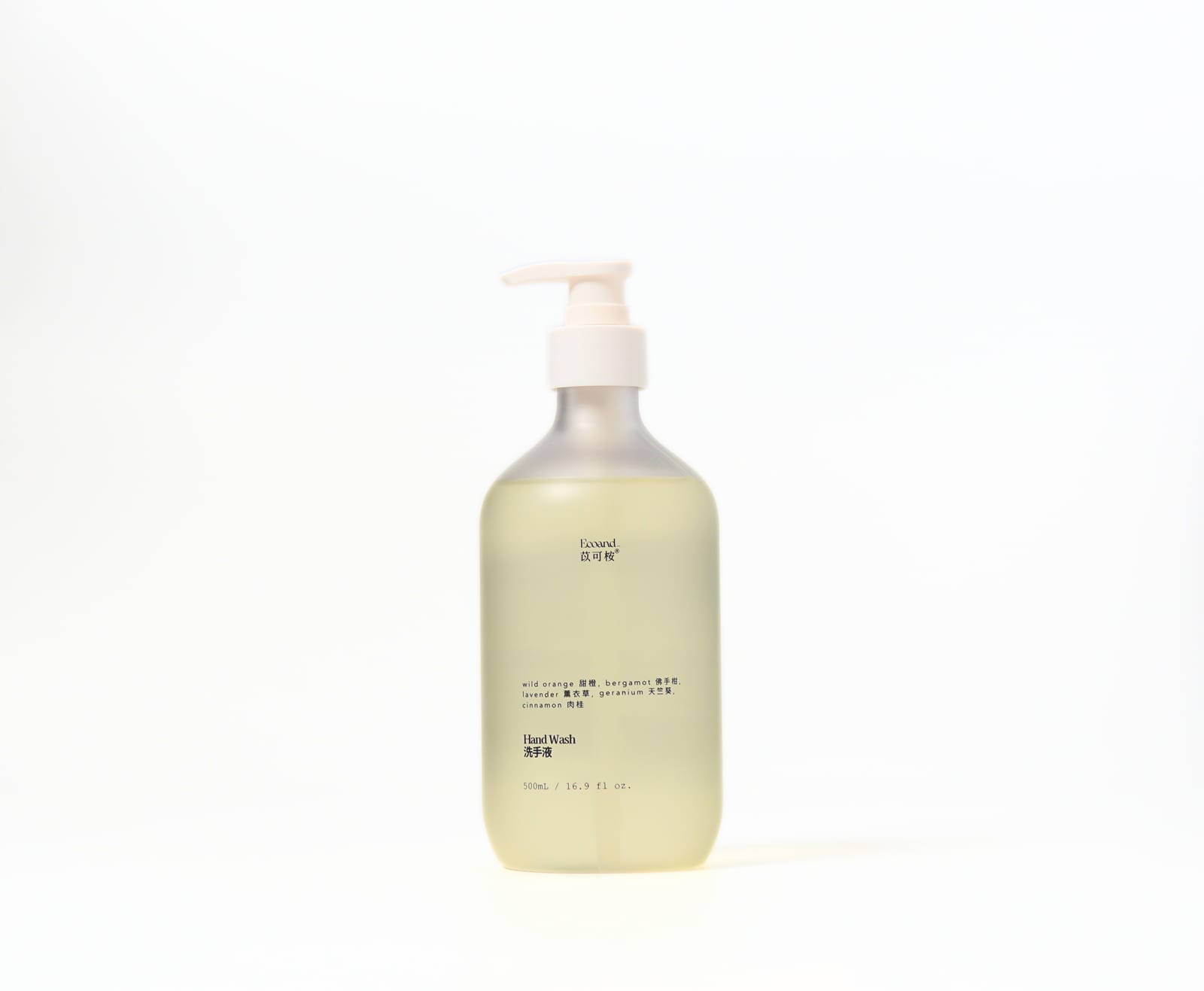
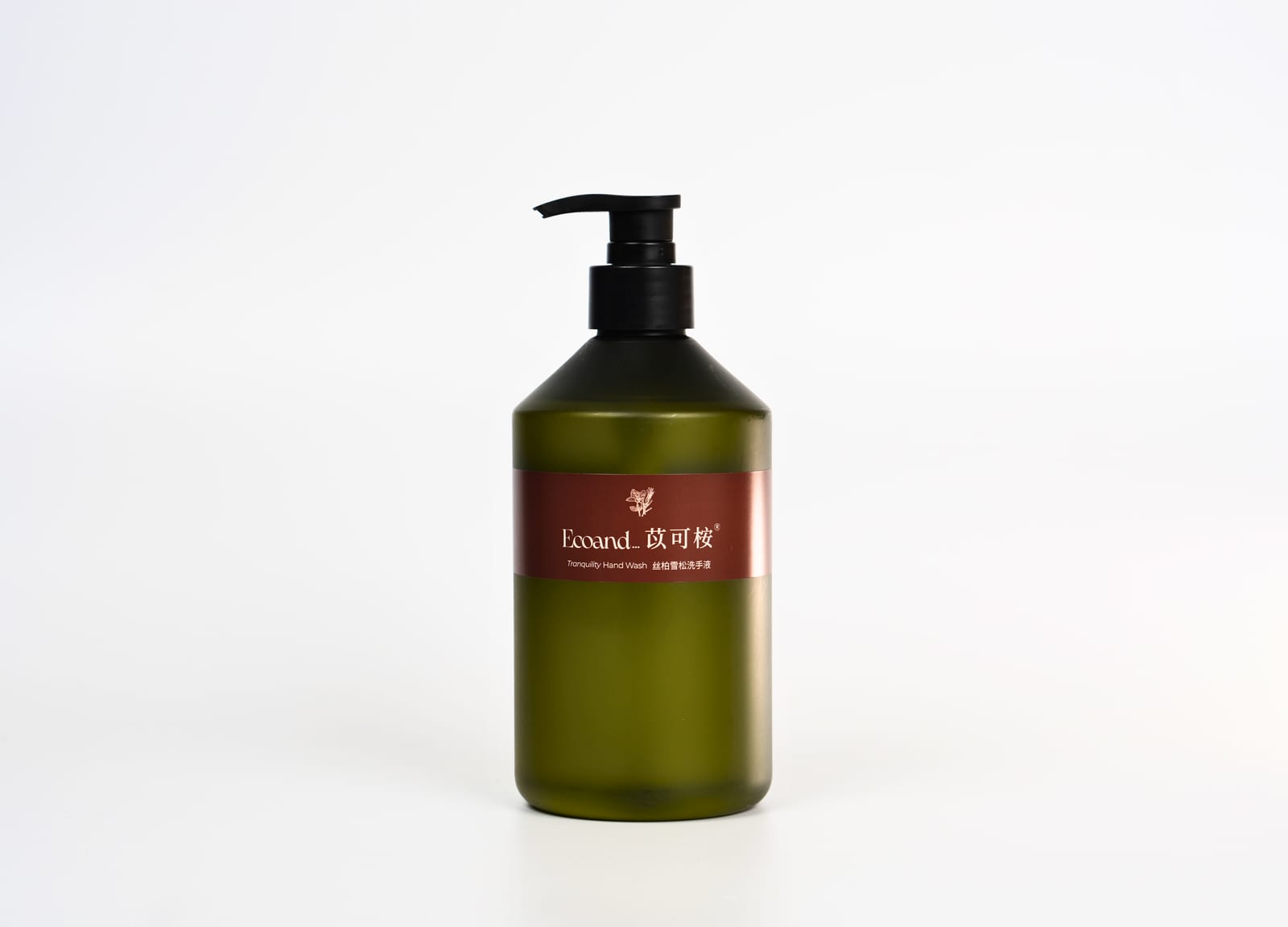
There is a bottle of hand wash in our studio kitchen that has been refilled eleven times. The pump sticks a little. The label has a water stain shaped like a thumbprint, from the hundreds of wet hands that have reached for it. Nobody would photograph it for a catalogue.
And yet, when we rearranged the studio last spring, it was the one object everyone agreed had to go back exactly where it was. Not the furniture. Not the artwork. The hand wash.
We think about this bottle a lot, because it explains what we are trying to make better than any brand language could. A product you buy once is a purchase. A product you refill for two years is a habit, and habits are how homes get their character — the smell by the door, the routine before dinner, the object your hand finds without looking.
Most of the care that happens in a home is like this: repeated, unphotographed, and quietly essential. Washing hands before dinner. Wiping the counter after everyone has gone to bed. None of it is remarkable on any given day. All of it, over years, is what a home ends up smelling and feeling like.
So when we say our bottles are made to be refilled, we don't only mean the packaging math, although that matters too. We mean that we want to make objects that are allowed to stay — long enough to collect a water stain, a sticking pump, and a small permanent place in someone's day.